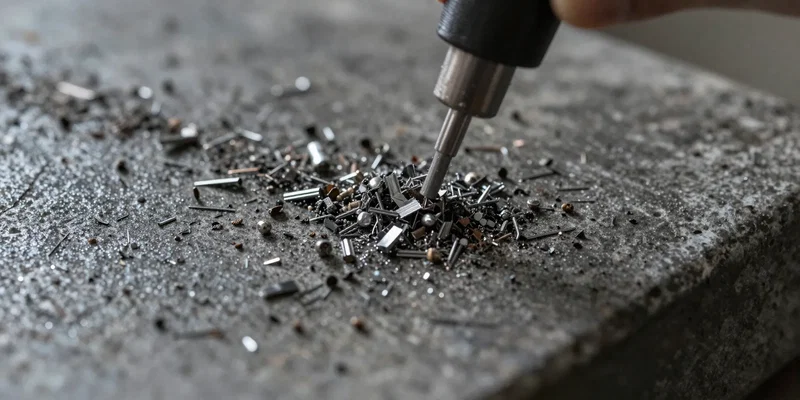
How Steel Carbides Change the Way Japanese Knives Sharpen on Water Stones
Your Water Stone Doesn't Care About Steel "Type" Everyone wants to talk about whether you bought White #2 or Blue #1 or some fancy powdered steel. Here's the thing. Your…
Home/Steel Metallurgy and Burr Formation
5 articles
Your Water Stone Doesn't Care About Steel "Type" Everyone wants to talk about whether you bought White #2 or Blue #1 or some fancy powdered steel. Here's the thing. Your…
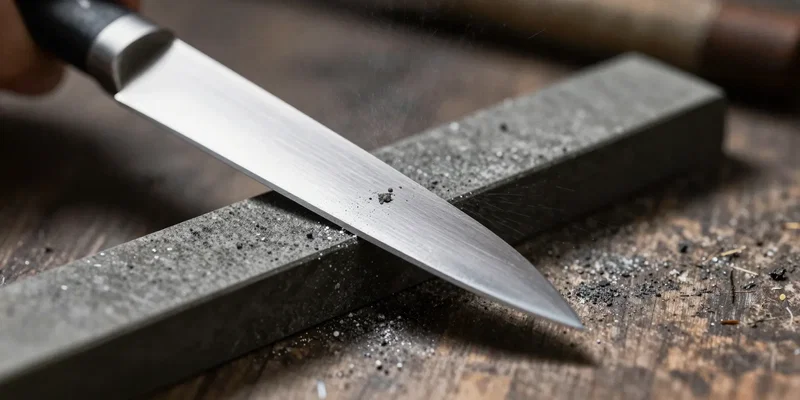
Your Stone Is Lying to You Ever wonder why some knives glide across a stone like butter, while others feel like you're sanding concrete? It's not always your angle. It's…
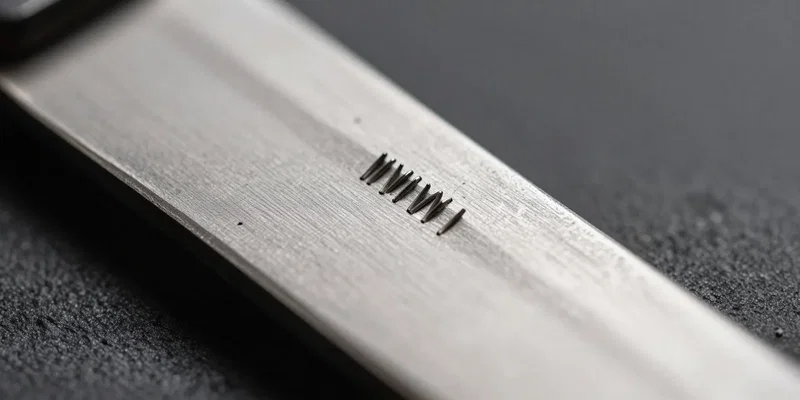
PM Steel Burrs Don't Play by Normal Rules Carbon steel burrs are wimps. You sharpen to 1000 grit, give it a couple swipes on a strop, and they fall right off. But powder…
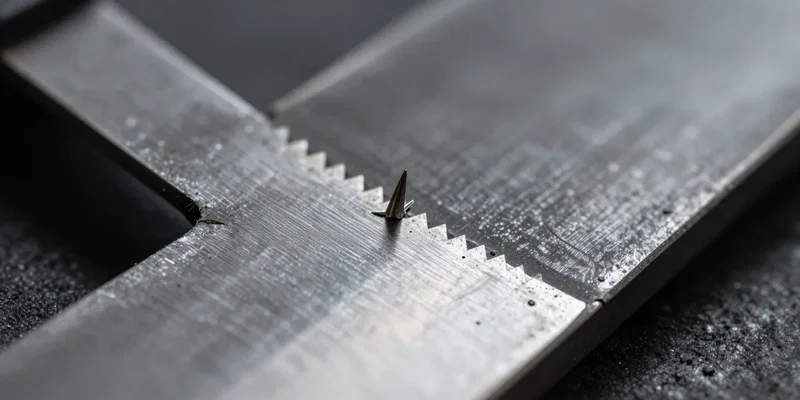
Your Burr Is Too Big. Here’s Why You Care. Everyone thinks a burr the size of a fishing hook means you're working hard. Wrong. A massive burr is just proof you overground…
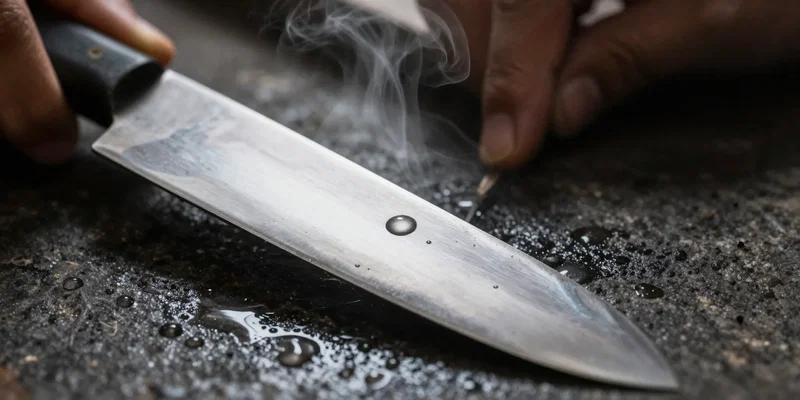
Your Stone Isn’t a Refrigerator Everyone thinks water stones are immune to heat damage. "It's wet," they say. "It stays cold." Sure. And your car stays cool because the p…