Fertilizing Balcony Potted Plants: Organic vs. Synthetic Options
If your balcony plants look more ‘meh’ than magnificent despite your best watering routine, the missing link might be nutrition. Potted plants in small spaces need regular feeding – but should you reach for an organic brew or a synthetic boost? This guide breaks down the options so you can pick the best fertilizer for your balcony garden without the guesswork.
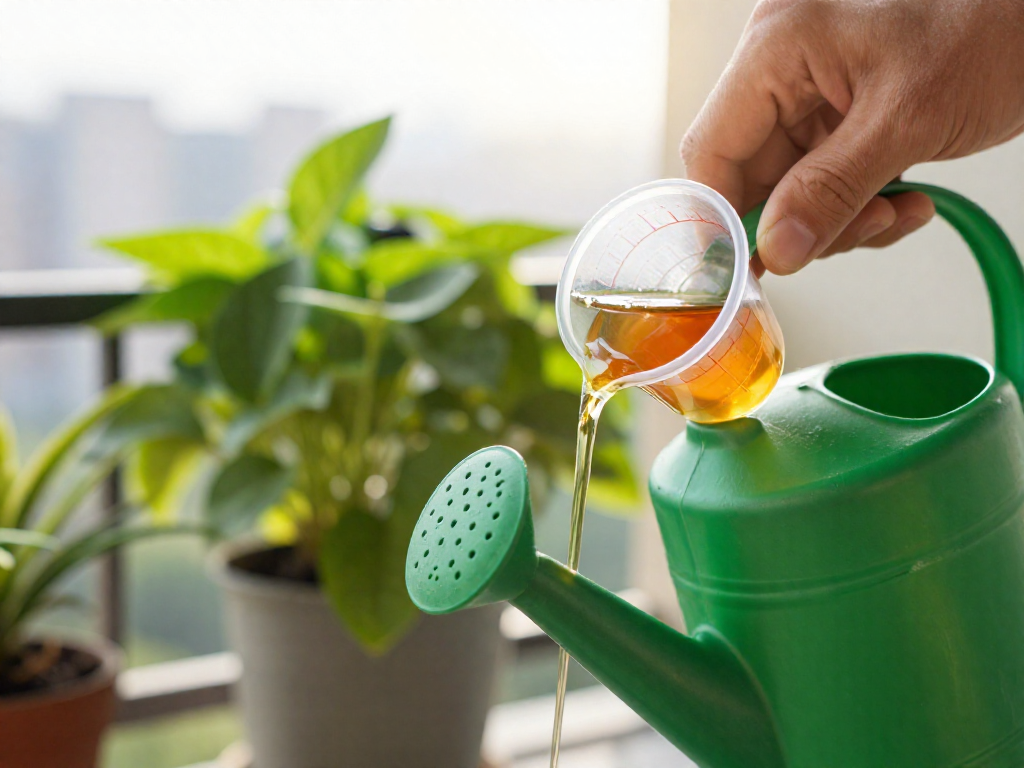
Why Balcony Potted Plants Need Special Fertilizing
If you’ve ever wondered why your balcony plants seem hungrier than those in a backyard garden, you’re onto something. Container gardening on a balcony creates a unique set of conditions that make fertilizing essential—and a bit different from in-ground growing. The moment you pot a plant, you’re taking full responsibility for its nutrition, and factors like limited soil, watering habits, and urban heat can quickly drain the food your greenery needs to thrive.
First, think about how little soil actually surrounds your planters’ roots. A pot holds a finite volume, and with nowhere to expand, plants exhaust the available nutrients surprisingly fast. Unlike in-ground gardens where soil can be replenished by decomposing organic matter and mineral breakdown, your container plants are living in a closed system. That means you’re the sole provider of all the essential elements they need for healthy leaves, roots, and blooms.
Next, consider your watering routine. On a sunny or windy balcony, you’re likely watering often to keep plants from wilting. While that’s good for hydration, each watering session also flushes some nutrients out of the drainage holes, especially fast-acting soluble ones. This leaching effect means that even if you started with premium potting mix, it won’t stay rich for long. The more you water, the faster you need to replenish.
Then there’s the microclimate of a typical urban balcony. Surrounded by walls, glass, and concrete, your plants can experience higher temperatures and reflected light. This warmth speeds up growth, but it also accelerates the plants’ metabolism, causing them to use nutrients quicker than they would in a cooler ground setting. A basil plant that’s growing vigorously on your sunny ledge will deplete its pot’s nitrogen faster than one in a shaded garden bed.
Finally, remember that container gardens lack the natural nutrient cycling found in soil ecosystems. No earthworms are aerating the soil, no beneficial fungi are breaking down organic matter, and no fallen leaves are returning nutrients to the root zone. It’s all up to you. Recognizing these differences is the first step toward building a feeding routine that keeps your balcony lush and productive, season after season.
Organic Fertilizers for Balcony Containers
Organic fertilizers come from natural sources—plants, animals, or minerals—and they feed both your plants and the living soil in your containers. Instead of delivering an instant nutrient hit, they break down gradually with the help of beneficial microbes, releasing food at a pace your plants can take up without stress. On a balcony, where potted plants rely entirely on you for nutrition, this slow-and-steady approach builds long-term resilience.
For balcony-friendly picks, reach for these tried-and-true options:
- Worm castings: A gentle, all-purpose amendment that smells earthy, not offensive. Sprinkle a handful on top of the soil and lightly scratch it in—it enriches the mix and boosts microbial life without burning tender roots.
- Compost: Homemade or bagged, a thin layer worked into the top inch of potting soil adds organic matter and a mild, balanced feed. Be sure it’s well-finished to avoid pests.
- Fish emulsion: A concentrated liquid derived from fish processing, it’s rich in nitrogen and perfect for leafy greens. Dilute it exactly as directed and apply to damp soil to minimize the strong (but temporary) odor—your balcony neighbors will thank you.
- Seaweed extract and liquid kelp: These cold-processed liquids are packed with trace minerals and growth hormones that encourage sturdy stems and glossy leaves. They’re virtually odorless and easy to mix into your watering can.
- Alfalfa meal: A dry, plant-based fertilizer that encourages microbial activity and contains a natural growth stimulant. Work it gently into the soil surface and water well.
Why go organic on a balcony? The advantages are especially meaningful in small spaces. Because organic nutrients release slowly, the risk of root burn is extremely low—even if you get a little heavy-handed. They improve the structure of your potting mix over time, helping it hold moisture and air without compacting. This means you can keep the same soil in large containers season after season, just refreshing it with compost or castings. Plus, if curious kids or pets nibble a leaf that brushed against the soil, you’ll have peace of mind knowing no synthetic chemicals are lingering on the surface.
The trade-offs to consider are specific to balcony life. Some organics, notably fish emulsion, can smell unpleasant for a few hours after application. On a breezy balcony it may not be an issue, but if you’re gardening on a still, enclosed terrace, you might prefer liquid kelp or worm castings instead. Dry amendments like alfalfa meal, if left on the surface, can occasionally attract fungus gnats or ants. A simple fix: always work them into the soil and cover with a thin layer of mulch or fresh potting mix. Results are slower than with synthetics—don’t expect an overnight green-up. Instead, you’ll see gradual, healthy growth over a week or two.
Organic fertilizers shine brightest when you’re growing edibles. Tomatoes, herbs, lettuce, and peppers respond beautifully to the steady buffet of nutrients. They also produce more flavorful harvests without any chemical residue worries. Even in ornamental pots, consistent use builds a living soil that needs less frequent repotting. For most balcony gardeners, a routine of worm castings every few weeks, a monthly application of liquid kelp, and a diluted fish emulsion treat for hungry greens covers all the bases without overwhelming your space—or your nose.
Synthetic Fertilizers for Balcony Containers
If you need to give your balcony plants a quick nutrient boost, synthetic fertilizers are the fast-acting solution. They're manufactured to deliver precise amounts of nitrogen, phosphorus, and potassium—often listed as the N-P-K ratio on the package—so you can tailor feedings to what your plants need right now. For small-space gardeners, they bring a lot of convenience, but with a few important trade-offs to keep in mind.
Types You'll Find - Water‑soluble crystals or powders (often blue or green) dissolve in your watering can and are instantly available to roots. Perfect for bi‑weekly feeding during peak growth. - Liquid concentrates mix with water and are similarly fast‑acting; some come with a pump dispenser for easy measuring. - Granular pellets are scattered on the soil surface and release nutrients as you water. They act quicker than organics but slower than liquids. - Slow‑release coated balls (often seen in “all‑purpose” blends) have a polymer shell that lets nutrients seep out over weeks or months, reducing how often you need to remember to feed.
Why Balcony Gardeners Love Them - Immediate nutrient availability—a lifeline when foliage looks pale or fruit set seems stalled. - Precise formulation control lets you choose a high‑nitrogen mix for leafy herbs or a bloom‑boosting ratio for annual flowers. - Compact packaging fits easily in a tiny storage bench or under the bistro table; no bulky bags or bins. - Often more affordable per feeding compared to premium organic blends, especially when you only need a small amount.
The Downsides to Watch - Over‑fertilizing is too easy. Because synthetics are highly concentrated, a slightly heavy hand can lead to burnt leaf edges, stunted growth, or even plant death. - Salt buildup in pots. Inorganic fertilizers can leave residual salts that accumulate in container soil, stressing roots over time. Regular leaching (watering until it drains freely) becomes essential. - No soil‑building benefit. They feed the plant but don't improve the texture, water‑holding capacity, or microbial life of your potting mix—so soil health may decline after a full season. - Root burn risk if applied to dry soil. Always water the container first with plain water before applying a liquid feed, and never exceed the recommended dilution rate. - Measuring precision matters. A kitchen‑scale mistake can harm your plants; keep a dedicated set of measuring spoons and a small watering can just for feeding.
When Synthetic Fertilizers Shine On a balcony, space is precious—so you'll likely grow a few high‑value crops in containers. Heavy feeders like indeterminate tomatoes, peppers, eggplants, and vigorous flowering annuals (petunias, geraniums, calibrachoa) often need a consistent nutrient supply that synthetic feeds can provide quickly. They're also your go‑to when you spot a deficiency symptom—yellowing older leaves (nitrogen shortage) or purple‑tinged foliage (phosphorus lack)—and you want to correct it fast before the problem spreads. If you're already using a premium potting mix that's rich in organic matter, synthetic fertilizers can be a targeted supplement rather than the backbone of your feeding plan.
Used thoughtfully, synthetic fertilizers can help you produce an abundant harvest and vibrant flowers in your urban oasis—just pair them with attentive watering and occasional soil flushing to keep your potted garden thriving.
Organic vs. Synthetic: Quick Comparison for Balcony Gardeners
When choosing between organic and synthetic fertilizers for your balcony plants, it helps to see how they stack up on the things that matter most for container gardening. Here’s a quick, scannable breakdown to guide your decision.
- Release speed: Organic fertilizers break down slowly, feeding your plants gradually over weeks. Synthetic options deliver nutrients immediately, so plants can take them up right after watering.
- Soil impact: Organics improve soil texture and nurture beneficial microbes, which is a big plus in the confined world of a pot. Synthetics provide nutrients but don’t enhance the long-term health of your potting mix.
- Burn risk: With organics, the risk of overdoing it and damaging roots is very low. Synthetics are more concentrated; if not watered in well, they can cause fertilizer burn—be especially careful on a hot balcony.
- Smell and storage: Some organic fertilizers (like fish emulsion) have a strong odor and need tightly sealed containers. Synthetics are typically odorless and come in compact, easy-to-store packages—ideal if indoor storage space is tight.
- Cost: Per application, synthetics often stretch your dollar further because they’re highly concentrated. Organics can be pricier per feeding, but many balcony gardeners feel the soil benefits are worth it.
- Environmental notes: Organics come from natural sources and break down gently. Synthetics can leave behind excess salts; on a balcony, always use saucers to catch runoff so it doesn’t drip onto surfaces below.
Use this side‑by‑side view to pick the type that aligns with your routine, budget, and balcony setup—both can lead to thriving plants when used thoughtfully.
How to Fertilize Balcony Plants Correctly (Step-by-Step)
Fertilizing balcony plants is straightforward once you get the hang of it, but small containers need a little extra care. Follow these steps to give your potted friends exactly what they need without risking damage.
Water first, feed second
Always start with moist soil. Fertilizing dry roots can cause burn, so water your plants thoroughly a few hours before or, at minimum, right before you apply any fertilizer. This simple habit makes a huge difference.
Check the label and adjust for pot size
Labels assume larger garden beds, not pint-sized containers. As a general rule, start with half the recommended dosage when you're unsure, especially with synthetic liquids. You can always increase slightly next time if the plants look hungry, but you can't undo fertilizer burn.
Time it right for liquid feeds
Apply liquid fertilizers in the early morning or late afternoon. Direct midday sun combined with wet leaves can scorch foliage, and the solution can evaporate before it soaks in. Pour it gently at the base of the plant, not on the leaves.
For granular or slow-release pellets
Sprinkle the pellets evenly on the soil surface, then use your fingers or a small tool to lightly work them into the top inch of soil—no deeper, or you risk damaging shallow roots. Water thoroughly right after to start the nutrient release. This method is great if you tend to forget weekly feeds.
Set a feeding schedule that fits your plants
Fast-growing annuals and heavy bloomers (like petunias or tomatoes) benefit from liquid feed every 1–2 weeks during the growing season. Perennials and herbs are usually fine once a month. Stop fertilizing entirely in winter when growth naturally slows—your plants are resting, and extra food can build up in the soil.
Stay consistent with a simple reminder
On a balcony, it's easy to lose track. Use a calendar alert, a sticky note on the watering can, or even a plant-care app to set a recurring schedule. A little consistency goes a long way toward lush, healthy plants all season long.
Common Fertilizing Mistakes on a Balcony
Even with the best intentions, balcony gardeners can run into trouble when fertilizing. Containers are more sensitive than garden beds, so mistakes show up fast. Here are the most common pitfalls and how to avoid them.
Over-fertilizing: more isn’t better. It’s tempting to give plants an extra boost, but too much fertilizer causes leaf tip burn, stunted growth, or even plant death. Always follow the product’s recommended rate—less is often safer. If you’ve overdone it, flush the pot with plain water to dilute the excess salts.
Ignoring salt buildup. A white crust on the soil surface or pot rim signals a buildup of fertilizer salts. This can dehydrate roots and block nutrient uptake. Every few weeks, water until it runs out the drainage holes, washing away accumulated salts. For heavy buildup, repot with fresh soil.
Fertilizing stressed plants. Drought, pests, or extreme heat put plants under stress. Adding fertilizer then can burn roots and worsen the problem. Fix the stress first: water deeply, treat pests, or move the pot to a shadier spot. Once the plant recovers, resume feeding.
Using the wrong N-P-K ratio. The three numbers on the label matter. High nitrogen (first number) fuels leafy growth—great for herbs and salads. Higher phosphorus (middle) encourages blooms and fruit. A balanced formula (like 10-10-10) works for all-purpose feeding. Match the fertilizer to your plant’s stage.
Forgetting seasonal changes. Most balcony plants slow down in cooler months. Continuing to feed when growth stalls leads to wasted fertilizer and potential root damage. In spring and summer, feed consistently; in fall and winter, reduce frequency or stop altogether. Watch your plants, not the calendar.
Skipping soil testing. Over time, pH can drift, locking nutrients in the soil even if you’re fertilizing correctly. Use an inexpensive home test kit to check pH and nutrient levels once or twice a season. Adjust with lime or sulfur as needed, or top-dress with compost to buffer pH naturally. A quick test can save struggling plants.
FAQ
Can I use both organic and synthetic fertilizers on my balcony plants?
Yes, you can combine both, but be careful not to overfeed. Organic fertilizers release nutrients slowly, while synthetics are fast-acting; alternating or mixing them can balance immediate and sustained feeding. Always follow recommended doses and monitor plant health.
How often should I fertilize balcony herbs in pots?
Most potted herbs thrive with a light feeding every 2-4 weeks during the growing season. Dilute liquid fertilizers to half strength to avoid burn, and reduce frequency in cooler months when growth slows. Observe leaf color and growth as your guide.
Is organic fertilizer safe for indoor plants near a balcony?
Yes, organic fertilizers are generally safe, but some may have a strong odor or attract pests if brought indoors. Use well-composted, odor-free products like liquid seaweed or worm castings for indoor plants near balconies to minimize issues.
What is the best organic fertilizer for balcony tomatoes?
A balanced organic fertilizer like fish emulsion or a tomato-specific blend with extra phosphorus and calcium works well. Liquid kelp or compost tea also promote healthy fruit set. Apply every 2-3 weeks while plants are flowering and fruiting.
Are synthetic fertilizers harmful to the environment if they drain from my balcony?
Synthetic fertilizers can contribute to nutrient runoff, which may pollute waterways. Use saucers under pots to catch drainage and apply only what plants need. Choosing slow-release forms or organic options reduces environmental impact.
Do I need to fertilize my balcony plants in winter?
Most balcony plants enter dormancy in winter and require little to no fertilizer. Overfeeding dormant plants can lead to weak growth or salt buildup. Only fertilize if plants are actively growing under supplemental light or in mild winter conditions.
How do I know if my balcony plants are over-fertilized?
Signs include leaf tip burn, yellowing or browning edges, stunted growth, and a crusty white residue on soil. If you suspect over-fertilization, flush the pot with water to leach excess salts and hold off feeding for a few weeks.
Can I make my own organic fertilizer for balcony containers?
Absolutely! You can create simple fertilizers from compost tea, banana peel soaks (for potassium), or crushed eggshells (for calcium). These DIY options are gentle, low-cost, and perfect for small-space gardening. Just ensure they are well-rotted or diluted to avoid smells.