How to Make Small Test Candles Before Wasting a Full Batch
You’ve been there. You melt five pounds of soy wax, add fragrance, pour into twelve jars, and wait two weeks. Only to light one and realize the wick drowns in a pool of mush. Heartbreaking. Testing first is how you avoid that gut punch. Small test candles let you dial in your wick, fragrance load, and pour temp without torching your supply closet. It’s not being cheap. It’s being smart.
You Need Less Stuff Than You Think
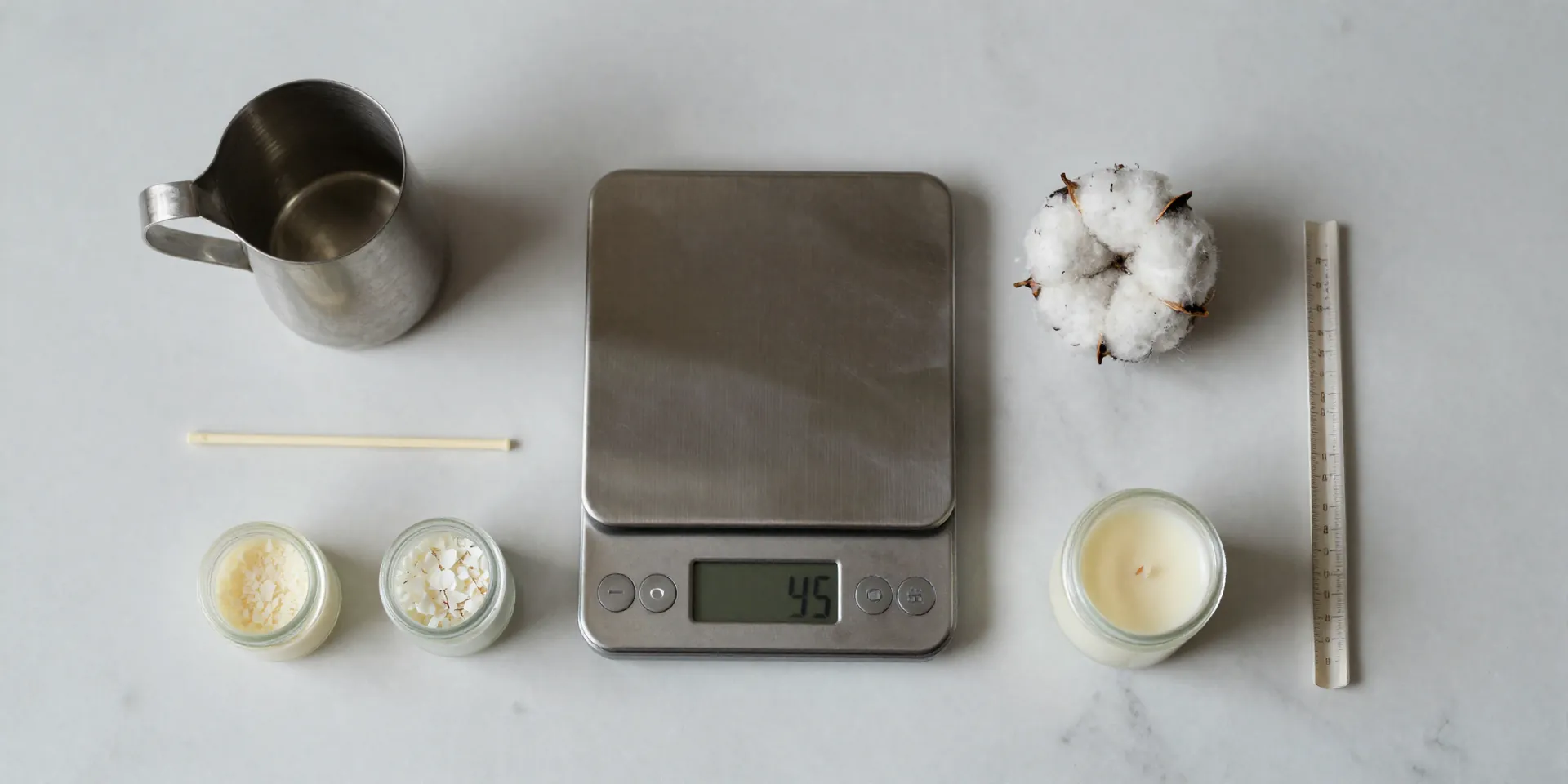
Grab a cheap digital scale. Scrounge up some tiny containers—teacups, shot glasses, those leftover jam jars you keep hoarding. You only need a few ounces of wax per test. One pound of soy flakes can fuel a whole weekend of experiments. Keep a notebook nearby. Actually, write things down. Your memory is not as good as you think it is when you’re juggling five different wick sizes.
The 2-Ounce Method That Actually Works
Weigh out two ounces of wax. Melt it. Add your fragrance at the exact temp your supplier suggests—usually around 180°F for soy, but check your specific wax. Stir gently for a full two minutes. Then pour into your micro container and wick it. Label it. Date it. Name it something ridiculous if you want. Repeat with different wick sizes or fragrance loads. But only change one variable at a time. If you tweak the wick and the scent load and the pour temp all at once, you’ll have no idea what fixed—or broke—your candle.
Light Them Up and Read the Evidence
Wait at least three days. A week is better. Then burn your test candles for two to three hours at a pop. Watch the melt pool. Does it reach the edge within two hours? Is the flame dancing like it’s at a rave, or sitting steady? Sniff the air. Hot throw matters. If you can’t smell anything from five feet away, your fragrance load is too low or your wax hates that particular oil. Take notes. Photos help too. Build a little evidence board of what works.
Don’t Be That Beginner
Testing with huge containers defeats the entire point. You’re supposed to be running small batch candle making experiments, not mini versions of your final product in giant tumblers. Another classic blunder? Skipping the cure time. Soy wax needs to crystallize. Lighting a candle the next day is like drinking wine before it’s fermented—you’re not getting the real picture. Also, don’t eyeball measurements. Grams matter. Your future self will thank you when you finally scale up and the math actually works.
When You’re Ready to Go Big
Once you land on a winner—perfect melt pool, solid hot throw, no soot—then you commit. Scale your numbers, order the real jars, and pour the full batch with confidence. There’s still a chance something weird happens at volume. But the odds are way lower. You did the homework. You ran the beginner candle experiments. Now you get to make candles that actually work.